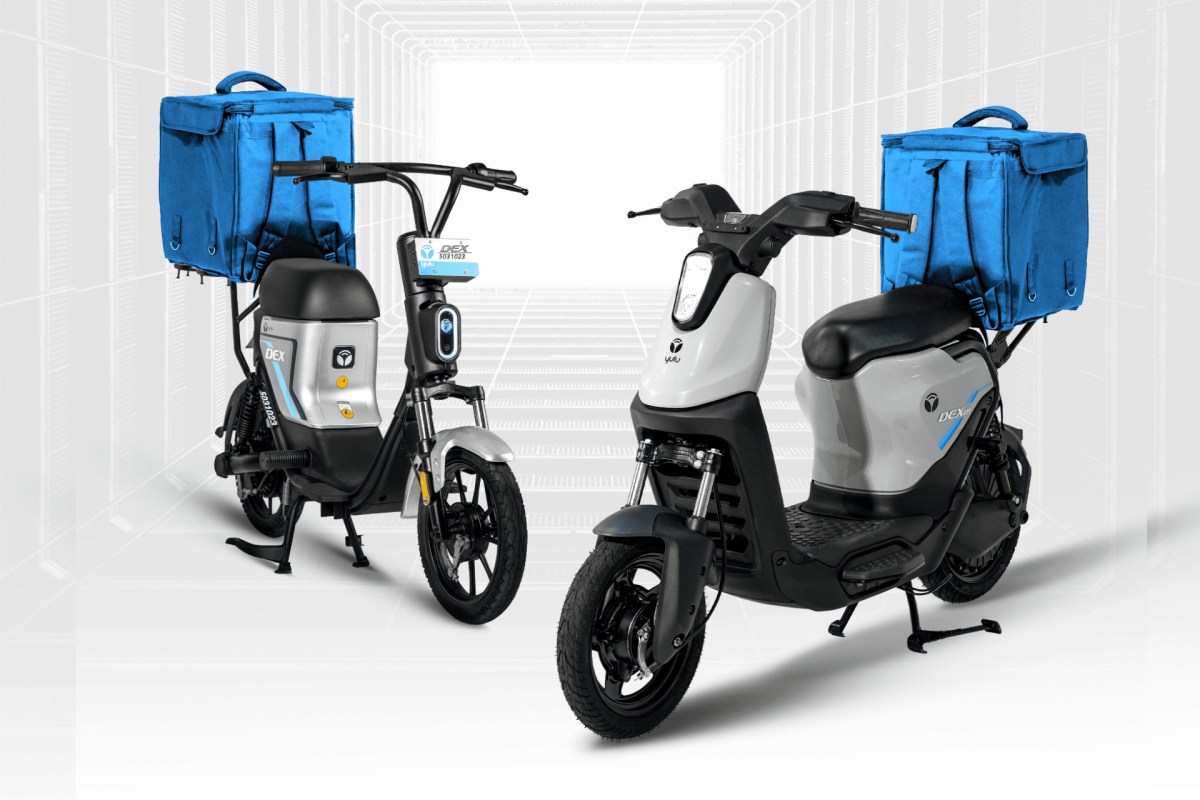
As India’s quick-commerce platforms race to deliver everything from groceries to smartphones in minutes, electric mobility startup Yulu has seized the boom, raising $93 million in fresh funding.
The Bengaluru‑based startup offers electric two‑wheelers on weekly subscription plans, so delivery drivers can jump straight into the gig economy without buying their own vehicles. With around 50,000 vehicles in its fleet, Yulu reports that it logs about 1.6 million zero‑emission miles each week and powers more than 750,000 deliveries a day. The new funding will let Yulu grow that fleet to 200,000 bikes over the next two years and launch faster electric two-wheelers aimed at new logistics use cases.
The Series C round comprised $63 million in equity led by GEF Capital Partners and $30 million in debt financing. About $5.5 million of the equity component was used to buy shares from seed investors whose funds were nearing the end of their investment life, co-founder and CEO Amit Gupta said in an interview.
The deal valued Yulu at about $170 million post-money, people familiar with the matter told TechCrunch. Gupta declined to comment when asked about the valuation and did not dispute the figure.
Existing investors Bajaj Auto and Magna International did not participate in the round after waiving their pre-emptive rights, allowing GEF to acquire its target ownership stake, Gupta said. He added that the startup expects this to be its final equity fundraising before an eventual public listing, with future fleet expansion financed primarily through debt and lease financing.
The business moves toward becoming profitable before interest and taxes next year, after achieving positive EBITDA last financial year, Gupta told TechCrunch. The startup also grew its revenue seven-fold between fiscal 2023 and fiscal 2026, he said, without sharing specifics.
The COVID shift
Founded as a bike-sharing startup for urban commuters in 2017, Yulu found its biggest opportunity during the COVID-19 pandemic as demand for food and grocery deliveries accelerated.
Today, Gupta told TechCrunch that about 95% of Yulu’s revenue comes from renting electric bikes to gig workers on weekly subscriptions, while the rest is generated by its station‑based rental service in Bengaluru. The startup has also dropped an earlier plan to sell bikes directly to consumers.
To fuel its next growth phase, Yulu is introducing a full-sized, higher‑speed electric scooter, called Yulu Express. It is designed for longer‑haul e‑commerce deliveries, bike taxis, and express parcel services — areas that its slower fleet could not previously cover.
About a third of the planned 200,000‑vehicle fleet will be made up of this new model, Gupta said.
While Yulu’s current low‑speed fleet is built by Bajaj Auto, the new high‑speed scooter comes from a different Indian manufacturer that Gupta declined to name.
About 500 of the new bikes are already running in Bengaluru and are being trialed in three additional cities, Gupta told TechCrunch.
Currently, Yulu operates in 12 Indian cities, running its own operations in Bengaluru, Mumbai, Delhi‑NCR, and Hyderabad, while partnering with franchisees in eight other markets. The startup, Gupta said, aims to reach roughly 20 cities within the next year, with Chennai and Pune among the key targets for expansion.
Gupta stated that Yulu partners with almost every major quick‑commerce, food‑delivery, and e‑commerce platform — including Amazon and Walmart-owned Flipkart — though its customers are the gig workers who rent the bikes, not the platforms themselves. He compared Yulu’s role to “the AWS of mobility,” supplying the infrastructure that lets delivery workers operate without the platforms taking a cut.
When you purchase through links in our articles, we may earn a small commission. This doesn’t affect our editorial independence.