Key Takeaways
- Galaxy Digital will pay Texas Tech about $75 million over 15 years to rename its stadium.
- Galaxy Stadium debuts September 5, 2026, when the Red Raiders host Abilene Christian.
- Galaxy also becomes Texas Tech’s official data center and digital assets partner statewide.
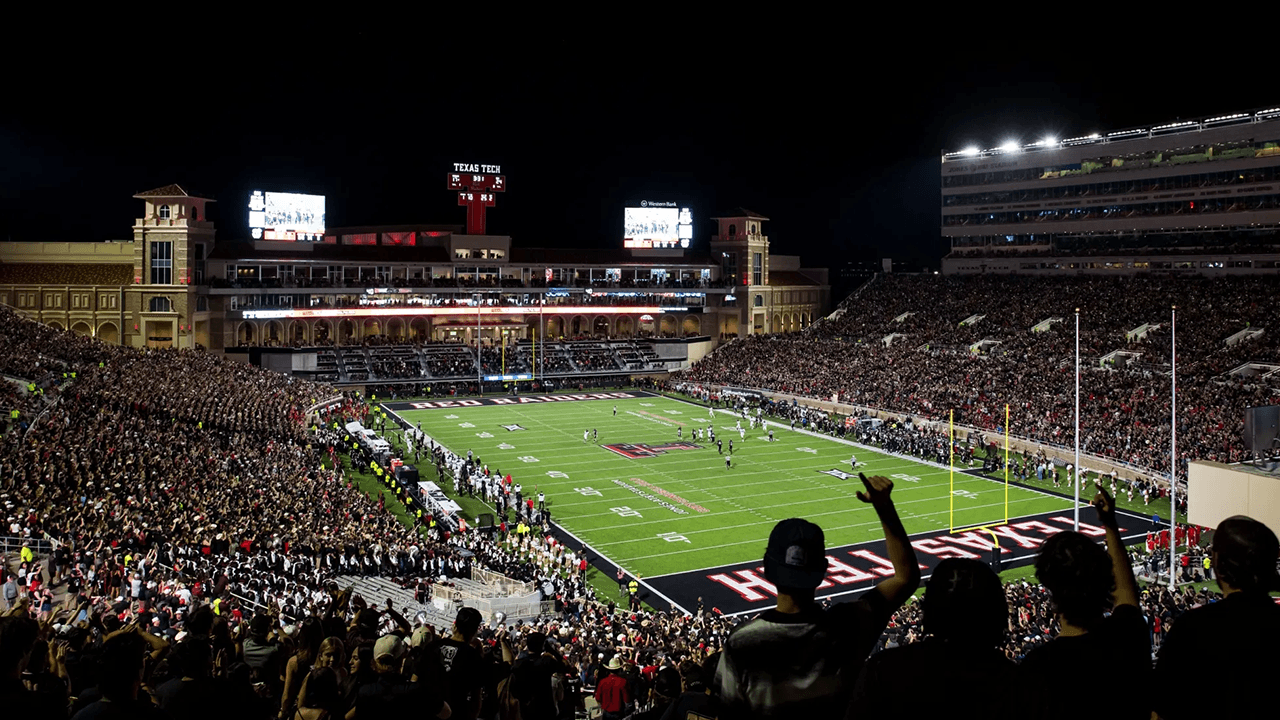
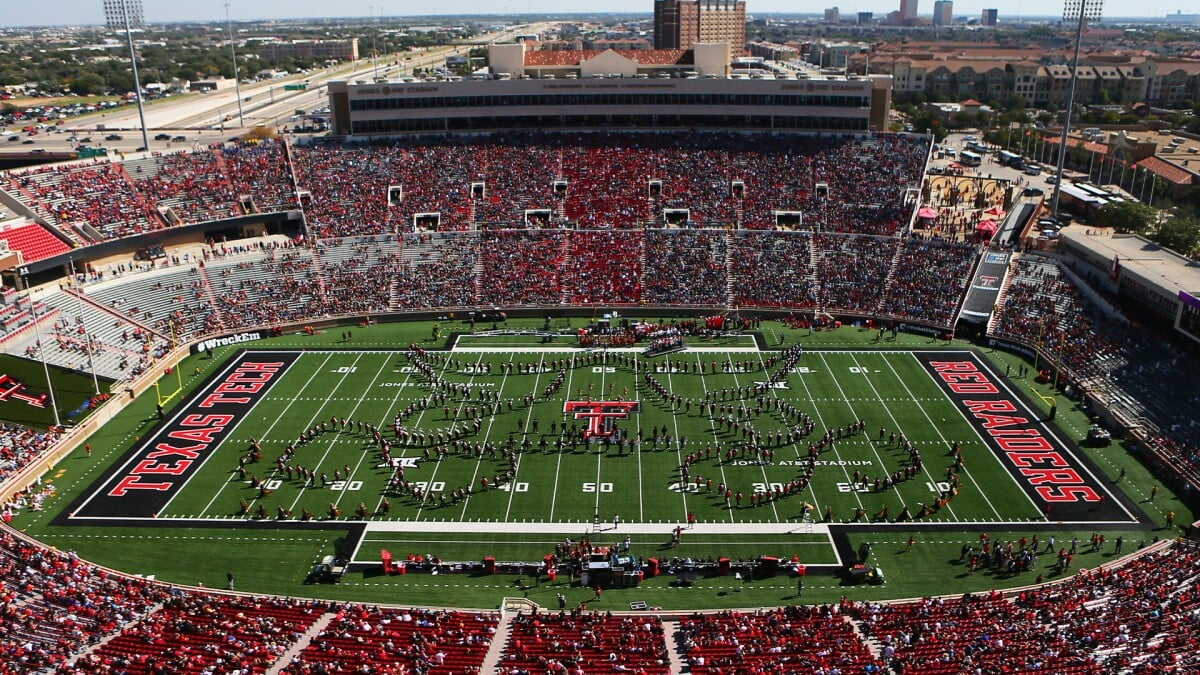
Texas Tech Athletics announced the deal on July 17, confirming that Jones AT&T Stadium will become Galaxy Stadium starting with the 2026 season. The agreement replaces AT&T’s naming rights, which expired in June after roughly 20 years tied to the venue.
Under the terms, Galaxy pays about $5 million a year. The Red Raiders open their new-look home on September 5 against Abilene Christian.
A Bigger Role Than a Logo
The deal covers more than signage on the scoreboard. Galaxy becomes Texas Tech Athletics’ official data center and digital assets partner, a title that extends into football, men’s basketball, and women’s basketball through digital and in-game branding.
The agreement also opens Name, Image, and Likeness opportunities for Texas Tech athletes. Student-athletes will have access to branded campaigns and content deals tied to Galaxy, giving the company a direct line to a fan base that skews young and engaged.
Galaxy Digital, led by founder Michael Novogratz, runs three main business lines: digital asset trading and custody, data center and artificial intelligence (AI) infrastructure, and treasury management. The company reported around $9 billion in assets on its platform earlier this year.
Why Texas Tech Fits Galaxy’s Map
Galaxy already has a presence about 60 miles from campus. Its Helios data center site in Dickens County has approved capacity of 1.6 gigawatts and uses a closed-loop water system to manage its footprint.
The company has hired Texas Tech graduates for that facility, and the new sponsorship formalizes a relationship that predates the naming rights announcement. Texas Tech Athletics Director Kirby Hocutt said the partnership will help create what he called lasting memories for fans inside the stadium.
Novogratz pointed to Texas Tech’s fan base and the program’s recent run, including a Big 12 title and a College Football Playoff appearance, as reasons Galaxy wanted its name on the building.
What Changes for Fans
- The stadium name changes to Galaxy Stadium for the 2026 season.
- Texas Tech plans a formal recognition of Clifford B. Jones, the university’s third president, whose name has been attached to the venue since it opened in 1947.
- Galaxy’s branding will appear across football and basketball programming, not just at the football stadium.
- The deal includes commitments to local hiring and community investment in West Texas tied to Galaxy’s existing operations.
Learfield’s Andrew Wheeler, whose company brokered the deal through Texas Tech Athletics Partners, said the agreement goes beyond a traditional sponsorship by building in long-term fan engagement and campus impact.
A Pattern Across College Sports
Universities have leaned harder on corporate sponsorships as conference realignment and NIL costs push athletic budgets higher. Crypto and AI infrastructure firms have used sports sponsorships to reach audiences beyond people who already trade digital assets.
Galaxy’s move follows that pattern, but the scale stands out. A 15-year commitment is longer than most stadium naming deals in college athletics, and the addition of a formal AI and data center partnership goes further than most companies attempt when they buy naming rights.
Early fan reaction has mixed nostalgia for the Jones AT&T name with interest in what the partnership brings. Local coverage in Lubbock has noted both sentiments, along with jokes tying the new name to the Guardians of the Galaxy film franchise.
What This Means for Investors
For Galaxy shareholders, the deal is a marketing expense aimed at brand recognition rather than a financial event on its own. The company is betting that visibility among Texas Tech’s fan base, alumni network, and national broadcast audiences builds long-term brand trust, the kind of trust that can matter when a crypto and AI company looks for regulatory goodwill and mainstream acceptance.
For Texas Tech, the $75 million provides predictable revenue at a time when college athletic departments face rising costs from NIL payments and conference travel. The next test comes when the season opens in September and Galaxy Stadium hosts its first game.