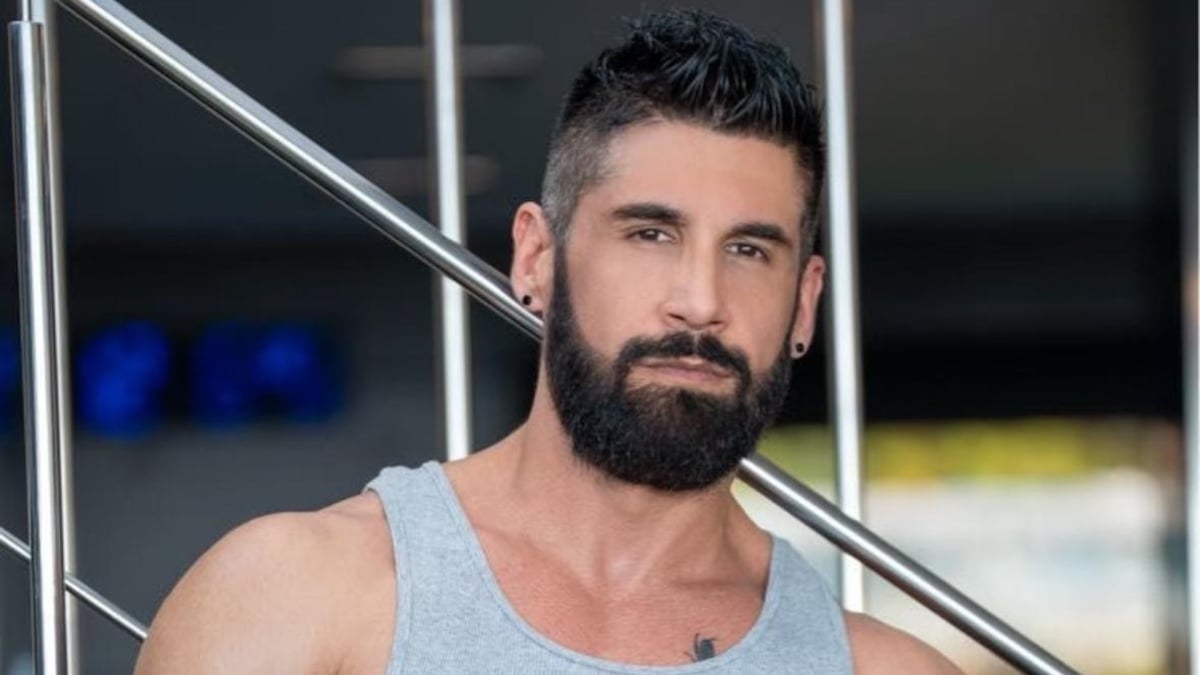
What will make young people pay attention to the still-uncured HIV virus? MPact Global Action, an organization working to address the toll of HIV on gay and bisexual men, believes online creators are key to breaking through to Gen Z.
Nearly 50 years after the disease we now call AIDS was first identified, there is still no cure or vaccine. Science has advanced to the point that HIV, which causes AIDS, is a treatable disease. Medications like PrEP, if taken, make it nearly impossible to contract HIV.
And yet even during Pride Month, young people rarely see any information about HIV, or how they can keep themselves safe. That’s why MPact has launched the Q Collab, an initiative that aims to enlist adult content creators to change the conversation around LGBTQ health.
More than a dozen creators, with a combined 6 million followers, have committed to creating content about HIV treatment and prevention so far. One cohort of Latin American creators, including Gabriel Antonio, Markin Wolf, and Fabyian Grizzle, gathered in Jan. 2025 in Brazil. A European cohort, with stars like Pablo Bravo, Tony Silver, and Justin Jett, gathered in Barcelona in March 2026.
The stars are currently releasing content on their channels, as well as via MPact, as the campaign gears up for a presentation at the International AIDS Conference in Rio de Janeiro this July.
“Working with Mpact showed me how I can use my platform in the adult industry to encourage open conversations about sexual health, mental health, PrEP and HIV treatment and hopefully make a positive impact,” Jett, an OnlyFans creator, said in a statement.
We followed up with Jett to explain why he wanted to get involved.
Why did you want to get involved with MPact’s Q Collab?
For me, getting involved with MPact’s Q Collab felt very natural because I’ve reached a point in my career where I want to use my platform for something bigger than entertainment. Through my work in the adult industry and my connection with the queer community, I’ve seen how many people still struggle with shame, stigma, mental health, loneliness, and even fear around sexual health.
Mashable Trend Report
I wanted to be part of something that creates community, encourages honest conversations, and reminds people that taking care of yourself should never be embarrassing.
What are the main messages you want to convey through the initiative?
The biggest message is that sexual health and mental health should be talked about openly and without judgment. I want people to understand that taking PrEP, getting tested, being on treatment, talking about HIV, or simply having conversations about sex, should be normalized. I also want to promote the idea that pleasure, confidence, and health can all exist together.
Another important message for me is community; reminding people they are not alone and that we need to support each other instead of judging each other.
How will you get those messages to your audience?
I think the best way is by being honest and authentic. My audience follows me not only because of the content I create but they also connect with me as a person on a human level.
You would be surprised with the number of messages I receive from people asking for different types of advice.
So, I want to use social media, interviews, collaborations, and everyday conversations to speak openly about these topics in a very human and approachable way. Sometimes, even a simple post saying, “I take care of myself, I get tested, I talk about sex openly” can make someone else feel less ashamed or more empowered to do the same.
There are still some people thinking taking PrEP or doxyPEP is just for “promiscuous” guys. Imagine, slut shaming someone for taking PrEP while the reality is all HIV-negative guys should be taking it and put their health in their own hands, there’s nothing more powerful than that.
Do you think creators have a duty to produce content that educates their audience, rather than just entertains them?
I don’t think every creator has an obligation to become an educator, because entertainment is also valuable and important. And not all creators have the same skills for conveying messages or for public speaking and, fortunately, organizations like Mpact can help with developing key messages. But most importantly, the will to do it has to come from within.
But I do think that when you have a public platform and people listen to you, there’s an opportunity to create positive impact. Especially in industries like ours, where audiences often trust creators and relate to them personally, we can help normalize conversations that society still avoids.
If we can entertain people while also helping them feel safer, healthier, more informed, or less alone, then I think that’s something really powerful.