Key Takeaways
- Artificial intelligence (AI) priced, managed and settled all 104 World Cup matches end to end.
- Turnkey partners took over $1.14B in stakes at an 18% trading margin.
- Kambi weighs a prediction-market entry but 70+ licenses bar a US launch.
Kambi Runs $1.14B World Cup, Now Weighs Prediction Markets
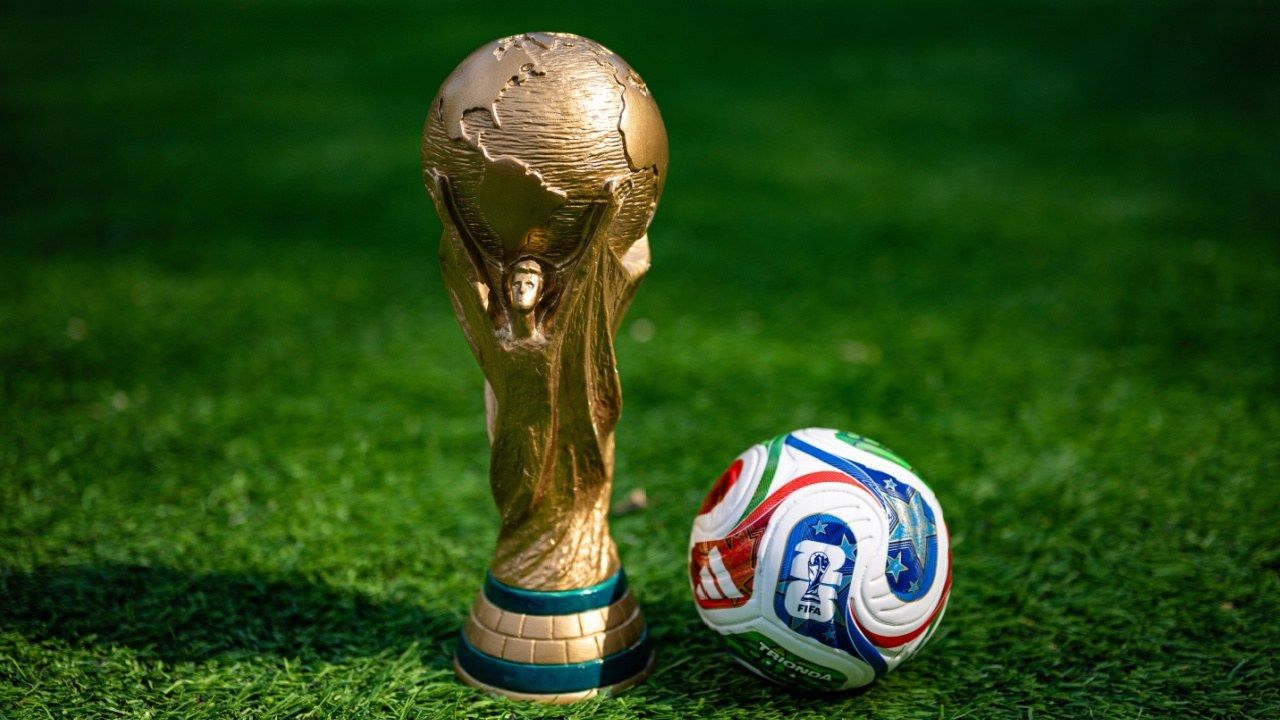
Kambi declared its first entirely AI-traded FIFA World Cup a success on Wednesday, reporting that its automated system priced, managed, and settled markets across all 104 matches without manual intervention. The result completed a commitment the company made in April, when AI was handling 60% of bets across its network.
“AI-traded” does not mean an algorithm placed wagers: Kambi’s system performed the functions ordinarily handled partly by sportsbook trading teams, including compiling and adjusting odds, managing risk and liabilities, controlling market availability and settling bets after results were confirmed.
Kambi’s Turnkey Sportsbook partners processed more than $1.14 billion (€1 billion) in tournament stakes and over 100 million bets, recording an 18% operator trading margin. Millions more bets flowed through Odds Feed+, although Kambi does not receive complete wager and settlement data from operators using that product.
The written report said Kambi processed more than one million unique bets during the Spain–Argentina final, while CEO Werner Becher described them during the earnings call as unique combinations. Becher called that scale “impossible to deliver through manual trading” and said Kambi did not need to increase its number of human traders for the expanded tournament. Prediction markets separately recorded nearly $2 billion in final-specific trading.
Live Bet Builder products accounted for 22% of live bets, up from 3% during the 2022 tournament, while Bet Builders represented 35% of all pre-match and live bets. Becher said the platform recorded no downtime, and average turnover per match rose approximately 20% from 2022.
Kambi reported Q2 revenue of $52.3 million (€45.9 million), up 13.5% year over year, while adjusted EBITA more than doubled to $8.7 million (€7.6 million). It raised its estimated full-year adjusted EBITA range from $22.8 million–$28.5 million (€20 million–€25 million) to $26.2 million–$30.8 million (€23 million–€27 million) following the completed tournament. The $1.14 billion and 18% World Cup figures cover games played across June and July, rather than Q2 alone.
Pressed on estimates that prediction markets took close to 30% of US sports-betting volume during the tournament, Becher tied that share to states without legal sportsbooks. “30% of the US population is living in Texas and California, where sports betting is not regulated yet,” he said. “I think you have your answer where they made their 30%.”
Asked about the format’s future, Becher said Kambi was awaiting clearer court decisions before acting. He said the company was already “evaluating options, partnerships, developing it in-house,” but had not selected a route or announced a product.
Becher said Kambi’s licenses in more than 70 jurisdictions prevent it from entering while the legal status of sports event contracts remains contested. The company would be able to serve partners if prediction markets receive clear legal and licensing recognition in the US, he added. That position goes further than his April statement that prediction platforms had produced “no material impact” on Kambi’s business in regulated states.
The exploration comes after the World Cup drove prediction-market volume to a $44.8 billion monthly record in June and sportsbook operators launched proprietary exchanges of their own, with Draftkings debuting DKeX in June. Kambi could enter as a technology and trading supplier rather than building a consumer-facing exchange under its own brand.