Key Takeaways
- Lawmakers will assess how cryptocurrency may expand access under authoritarian or unstable financial systems.
- Experts from Anchorage Digital Bank and advocacy groups will address security, surveillance, and autonomy.
- Policy discussions will address how Washington balances digital finance innovation with national security concerns.
House Roundtable Will Review Digital Assets and Repressive Financial Systems
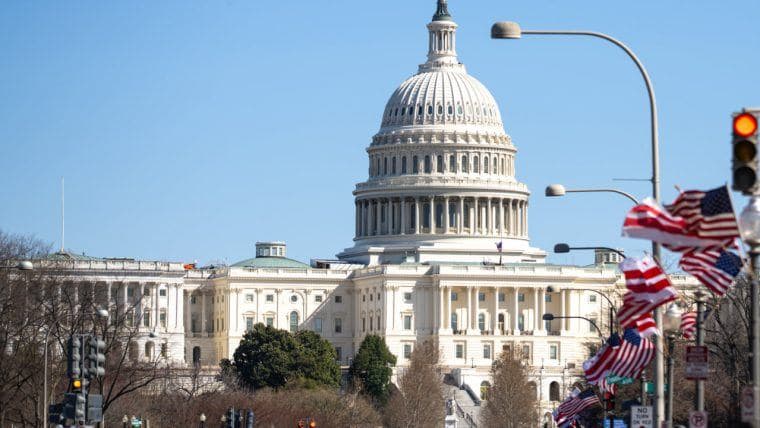
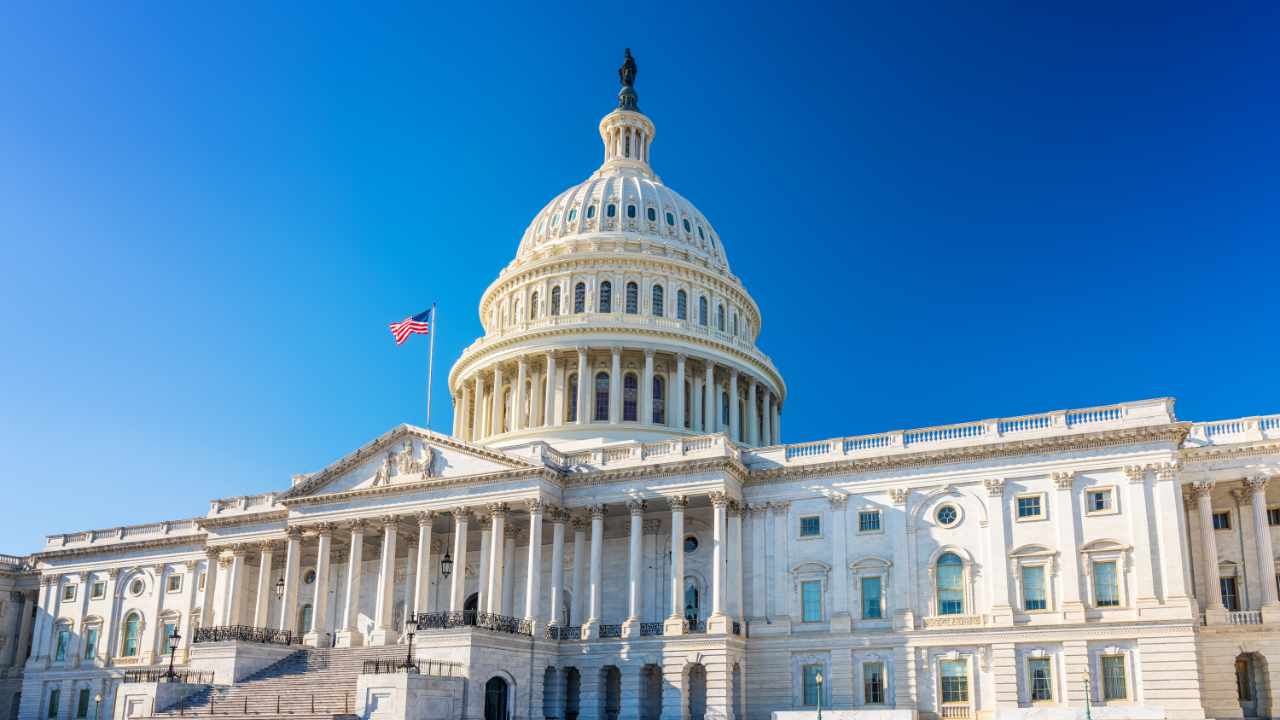
A congressional announcement issued June 18 scheduled a June 25 roundtable on how digital assets may help people facing repressive governments or collapsing financial systems. The House Oversight and Government Reform Subcommittee on Military and Foreign Affairs will examine the national security implications of digital finance and the role of cryptocurrency in expanding financial access under restrictive regimes. Chairman William Timmons (R-SC) will lead the session in Washington.
The discussion will focus on how decentralized financial tools are being used in economically unstable or authoritarian environments to maintain access to funds, services, and economic autonomy. Participants are also expected to explore how U.S. leadership in digital finance could affect economic competitiveness and broader foreign policy objectives.
The announcement states:
“The roundtable will examine the ways digital assets like cryptocurrency can empower individuals living in repressive or economically unstable nations.”
Participants include Dustin Palmer, Bank Secrecy Act officer at Anchorage Digital Bank; Jorge Jraissati, president of Economic Inclusion Group; and Cody Carbone, chief executive officer of The Digital Chamber.
China and Russia Framing Puts Crypto Policy in Security Context
Timmons framed the roundtable around digital finance, authoritarian control, and U.S. strategic interests. The session, “Two Sides of a Digital Coin: Protecting U.S. Security by Challenging the Power of Repressive Foreign Regimes,” is open to the public and will be livestreamed.
The lawmaker said:
“Authoritarian regimes such as China and Russia are using financial systems and digital currencies as tools of surveillance and control.”
Experts and lawmakers are expected to discuss how digital assets can help individuals preserve financial independence when state-controlled systems are used for monitoring, restriction, or coercion. The agenda also highlights situations in which state-controlled systems become unreliable during periods of economic instability.
Members and participants are expected to examine how U.S. policy can encourage financial innovation while addressing emerging security concerns. The announcement places cryptocurrency, digital currencies, surveillance, aid access, and foreign repression within a broader national security debate.