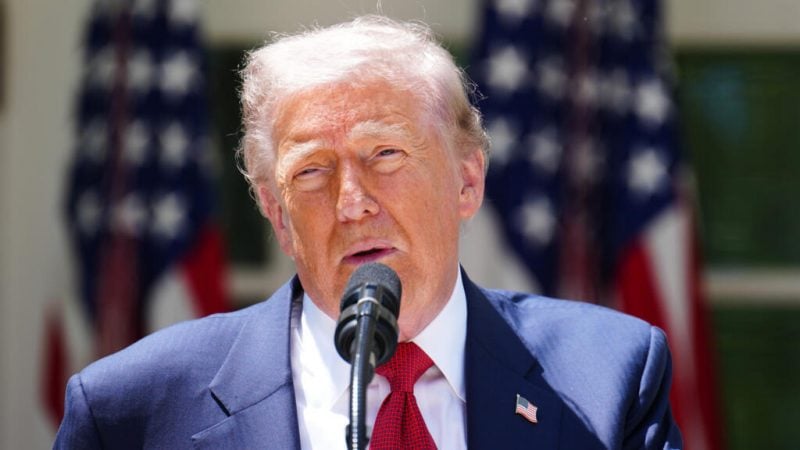
President Donald Trump posted two words on Truth Social that sent oil markets scrambling: “TOTALLY UNACCEPTABLE.”
The target of his displeasure was Iran’s counter-proposal to a US peace initiative, a diplomatic exchange meant to de-escalate tensions that have been simmering for months.
What Iran proposed, and why Trump said no
Iran’s counter-proposal, delivered through Pakistani mediators, offered to end hostilities across multiple fronts, including Lebanon. The problem, from Washington’s perspective, is what the proposal didn’t include.
The US had laid out a clear set of demands: a complete halt to nuclear enrichment, an end to sanctions, and the reopening of the Strait of Hormuz. Iran’s offer sidestepped the nuclear question almost entirely, declining a full rollback of its enrichment program.
Trump went further than just rejecting the proposal. He threatened renewed bombing campaigns if Iran fails to comply with US demands.
The Strait of Hormuz is the detail that matters most here. Roughly one-fifth of the world’s oil passes through that narrow waterway between Iran and Oman. A US naval blockade of Iranian ports has already been contributing to supply concerns, and Iran’s own posture around the strait has compounded those worries.
Oil prices surged approximately 3-5% following the rejection.
The broader standoff
Both the US and Iran have been conducting limited military strikes against each other. Iran’s decision to use Pakistan as an intermediary is itself telling. There’s also been speculation about Chinese diplomatic involvement, though nothing concrete has materialized on that front.
The tensions between the US and Iran intensified following Trump’s withdrawal from the 2015 nuclear deal. In early March 2026, the situation escalated after the US authorized military strikes in response to Iranian actions that threatened shipping routes in the Strait of Hormuz.
What this means for investors
The immediate impact is straightforward. Higher oil prices ripple through every corner of the global economy. Energy costs feed into inflation, which feeds into central bank policy, which feeds into risk asset pricing.
The Strait of Hormuz remains the key variable. Any physical disruption to shipping through that corridor would be a supply shock of significant magnitude.
For crypto specifically, rising energy costs increase mining expenses for proof-of-work chains like Bitcoin. More broadly, geopolitical uncertainty tends to create two competing forces in crypto markets: a flight to safety that sometimes benefits Bitcoin as a perceived hedge, and a broader risk-off sentiment that drags down speculative assets across the board.
Investors should watch for three signals. First, any movement on the Strait of Hormuz, whether diplomatic or military, will be the single biggest catalyst for energy markets. Second, the tone of follow-up communications between the US and Iran, even through intermediaries, will indicate whether this is a negotiating tactic or a genuine breakdown. Third, watch whether China steps into a more active mediation role. Beijing has significant economic interests in Iranian oil and Middle Eastern stability.